
- Kitchen Remodeling
- /
- Kitchen Flooring
Kitchen Flooring: The Backdrop to Your Life
- Choosing a Material
What Works for You - Tile vs. LVP vs. Hardwood
- Easily the most asked question when it comes to kitchen flooring installation is which one works best. Most companies will tell you they are all great, but that is not really the case. They are all serviceable, but some are definitely better to live with than others.
- For many in the industry, tiling is the only right choice. It’s not affected by moisture or spills like wood. It feels cool underfoot, and is reassuringly solid. But drop a glass, and it's definitely broken, and in the winter, cool underfoot is not always what you want.
- Luxury Vinyl Plank (LVP) offers the moisture resistance of tile, but remains softer than tile, and it's warmer in the cold weather too. It's a more affordable way to get a wood look in your kitchen as well. It’s a great choice for homes with pets and kids, but quality can vary between manufacturers and ranges, so getting the right one is essential.
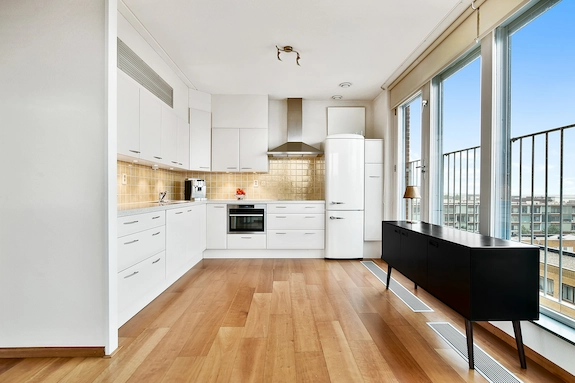
- There is no denying hardwood looks stunning. Whatever style, shape or size of kitchen you have, a hardwood floor finishes off the design perfectly. However, it doesn't cope with moisture as well, because it is porous, and it dents a little too easily for a room where dropping a pan is not unheard of. If you can be careful with it, and can avoid leaking dishwashers, it can work, but it’s harder to live with than any other option.
- Laminates offer the cheapest way to the wood look, but are usually not waterproof, although they are quick to install and offer scratch resistance for pets.
| Material | Waterproof | Underfoot | Resale | Watch Out For |
|---|---|---|---|---|
| Porcelain / Ceramic Tile | Yes | Cool, hard | Strong | Cold, hard on dropped dishes |
| LVP | Yes | Warmer, softer | Good | Quality varies; some VOC concerns |
| Hardwood | No | Warm | Strong — often top for resale | Moisture damage, needs care |
| Laminate | No (mostly) | Firm | Modest | Not waterproof; chips |
- We’ll help you choose based on your unique situation. Whether you have pets or children, if you are installing to live with or for a sale, and how much you use the kitchen all matter when choosing the right flooring.
- Under the Floor
Don’t Forget the Underfloor, It’s Key to a Great Kitchen Floor
- Choosing the floor is the exciting part, but the hard work sits below that. The underfloor is where we find the problems, especially in older homes. Layers of aged subfloors, water damage, movement or plumbing issues all have to be dealt with before we fit the floor itself.
- Poor underfloor condition is where the squeaks, creaks and unevenness come from. Not only are these a pain to live with, they shorten the life of your floor too, costing money in the long-term.
- We assess your subfloor during the quoting process, including the work needed and costs involved. That way, you don't get any surprise costs, and the floor is everything you expect when it is finished.
- Why Homeowners Choose Us
We Cover Everything Needed for Your Perfect Kitchen Floor
We Check the Subfloor First
From obvious unevenness to hidden water damage and plumbing access, this is where the work is for a perfect floor. We check everything before we quote.
We're Honest About what's Under There
Sometimes, floor repairs add to the overall cost, but we’d rather tell the truth than hide it away, because the result is an early failure for your floor.
We Handle the Appliances
We take care of everything, including moving your appliances. We won't ask you to move anything, and we plan installation around the appliances for a seamless finish.
Itemized Estimates
Our quote is fully itemized, so you know exactly what you are getting, and where the money is going.
- How It Works
Four Steps to a Perfect Floor
- 01
Free Consultation & Subfloor Assessment
We check the subfloor and the existing floor to highlight any potential issues that may need rectifying, discuss your floor material options and note any plumbing or structural floor work that is required.
- 02
Permits When Required
If it's a simple floor replacement, you usually won't need a permit. However, if there is any structural work needed for the subfloor, or we have to move any plumbing, you might. We handle the whole permit process for you.
- 03
Construction
We remove and dispose of the old floor, prep and repair the subfloor as needed, and then install your new floor. We move appliances as part of the process.
- 04
Final Walkthrough
We walk through the project with you, checking edges, transitions and details, so you are completely happy with the work. Only then do we sign off on completion.
- Permits
Do You Need a Permit for New Kitchen Flooring Remodeling?
Usually, fitting a new kitchen floor doesn’t need a permit, but if the subfloor needs structural work, or there are plumbing issues that need fixing, then that can change. That is why we check before the work begins. We assess the subfloor during the quote process, so we can tell if a permit is needed and take care of that for you.
No Permit Usually Required
- Replacing flooring over a good condition subfloor
- Installing straight over an existing floor when possible
- Standard removal and replacement with no other changes
Permit Required
- Structural subfloor repair or replacement
- Opening the floor for plumbing access or to move plumbing lines
- Floor work tied to a larger layout change
- faq
Frequently Asked Questions
Answers to common kitchen remodeling questions.
What's the best flooring for a kitchen?
You want a waterproof, durable floor to provide long-lasting performance in your kitchen. Porcelain tiles and LVP flooring systems fit this the best, with tile being stronger and cooler. LVP offers a warmer underfoot experience and cheaper costs. Hardwood looks stunning with any kitchen style, but isn't good with moisture, a problem for a kitchen. We'll help you pick the right material based on your use case and goals.
Do you move the appliances?
Yes, we do. Moving appliances is part of the fitting process. We would never ask you to do it yourself.
Is hardwood a bad idea in a kitchen?
Hardwood floors look beautiful, so ‘bad’ is the wrong word. They need more care and more looking after than alternatives. They don’t like moisture and can dent easily, so for stress free living, tiles or LVP offer an easier ownership experience.
Can I install new flooring over my existing floor?
It depends on the existing floor, but if its suitable, yes, you can. You can fit LVP flowing straight over existing tiles, vinyl or hardwood floors, as long as the surface is clean and level. We check first of course, and if there are any issues that may cause problems, we’ll let you know and offer an alternative approach.
Is LVP or tile better for a kitchen?
While both have the long-term durability and waterproof performance needed to look good for longer in your kitchen, they do differ in what they offer. LVP is warmer underfoot, as well as being a little softer on your feet too. It is also quieter to walk on, and tends to be cheaper to fit as well. For homes with children and pets, it's a great choice. Tiles are cooler but also harder wearing. There is no right answer really, it depends on what you prefer.
Does replacing my kitchen floor need a permit?
If it's just replacing the floor, then no, not usually. If there is structural work to the subfloor needed, or any plumbing work, then you may need a permit. We take care of everything for you if that is the case.
- Get Started
Ready for a New Kitchen Floor?
We’ll inspect your subfloor, discuss the best material options for your lifestyle, and provide an itemized quote with clear guidance on scope and permits before any work begins.